Goal-Based Nutrition: Preparing for a 5k
Fundamentals are key, but how do we use them to achieve our goals?
Recently, I signed up to run a 5k for the first time in 12 years. I used to run cross country in high school so I’m no stranger to running, but I definitely lost interest in it after 4 years of constant training. In the years since, I’ve leaned more towards weightlifting, basketball, bar league volleyball, and baseball for exercise and activity.
What inspired this change? Well, I’ve got a close friend who’s been working his ass off the past year, really dialing in his diet in order to get to his target weight. Part of any well-rounded exercise regimen is cardio, and in his case, running. So, we tossed around the idea of signing up for a 5k and did the typical “yeah sure that sounds like fun” as it was several months away. But then the date got closer and we asked… “are we really going to sign up for this?” On a whim, I signed up myself and my wife, and he signed up himself and his wife, and another friend joined in (we also have hopes of adding a couple others).
I also turned 30 a couple months ago and although I feel great, I’m afraid of losing how good I felt in my early 20’s. And I realize age, life, work get in the way and it’s not likely you’ll still feel 21 at 30+ years old. But I felt that proving myself by running a 5k (something I could do when I was much younger with far less “life” distractions) would be a solid indicator of whether or not I still have “it” in me.
At the time of registering, there were 39 days until race day. Right now, the majority of my cardio comes from playing pick-up basketball at the gym. It’s great cardio, but it’s a lot of start-stop action, and less of a consistent burn. I also lift weights before I play. In turn, I’m working out for about an hour or so 5 days a week.
How is training for a 5k going to fit into my schedule? And how can I manage the 4 main pillars of health (nutrition, sleep, stress, and recovery) that I teach others?
Let’s start with the one I have the least control over: Sleep
I do everything I can to enhance my sleep environment. I use white noise. My phone charges in the bathroom overnight so it doesn’t disturb me. I use a sleep mask to make it as dark as possible. I sleep next to my wife which brings me comfort. But as anyone with young kids knows, I can’t go a night without one of those kids crawling in bed with us and writhing around, flip-flopping all night while I doze off and on through a fever of my favorite game: was I sleeping or not? I’m usually sleeping by 10pm, disturbed several times throughout the night, and up when my alarm goes off at 4:45am so I can get my workout in before Dad duties kick in. It’s not ideal, but that’s what works for now with my schedule.
Next, we can look at stress.
I have a lot of things going on in my life. My workouts consist of 30 minutes of weight-lifting and 35 minutes of medium-intensity basketball. I like to shoot around for the most part and lightly jog in between shots, but sometimes there will be other people there to play pick up ball with. After my workout I’ve got to go home, help my wife get the kids ready, make my post-workout shake, and get myself showered and ready for the day. I work from home full-time, but that doesn’t mean I sit at home. My full-time job requires me to meet with a lot of customers and clients, so I’m always moving. My lunch needs to be heated up in the microwave, so that rules out any “on-the-go” meals. If I’m going to go for a run for this 5K, here is my only window to get it done. And that means it needs to be done quickly and efficiently. Ideally, it’s not going to take me more than 30 minutes to complete my run. I can do 3 miles in 30 minutes, I’m sure of that. But then I’ve got to quickly shower and get back to work. After I pick my son up and my wife gets home from work with my daughter, it’s dinner, playtime, bathtime, and bedtime. Once the kids are in bed, it’s close to 8pm and my wife and I get a chance to finally unpack our day and wind down for a couple hours before I pass out (in which case I am then woken up throughout the night by children until we do it all again the next day).
The point of all this? It can be extremely stressful, and adding a 5k training regimen will be stressful. I do have the necessary education and credentialing to understand how to handle all of this stress, but that doesn’t mean I’m good at it. Usually, my stress manifests itself in ugly fashion. I am irritable, impatient, quick to yell, and insensitive to others’ emotions. So, it’s important to remember the following:
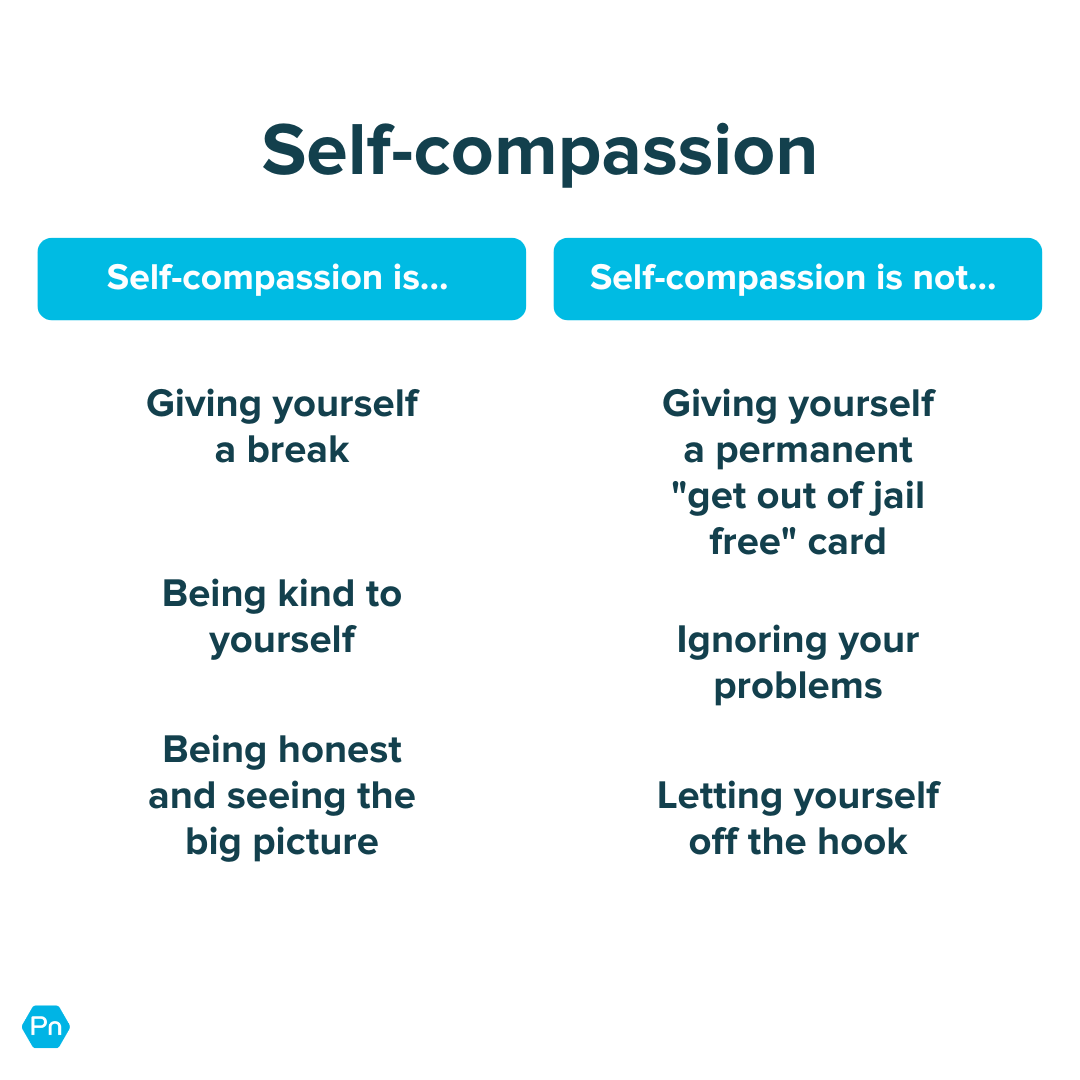
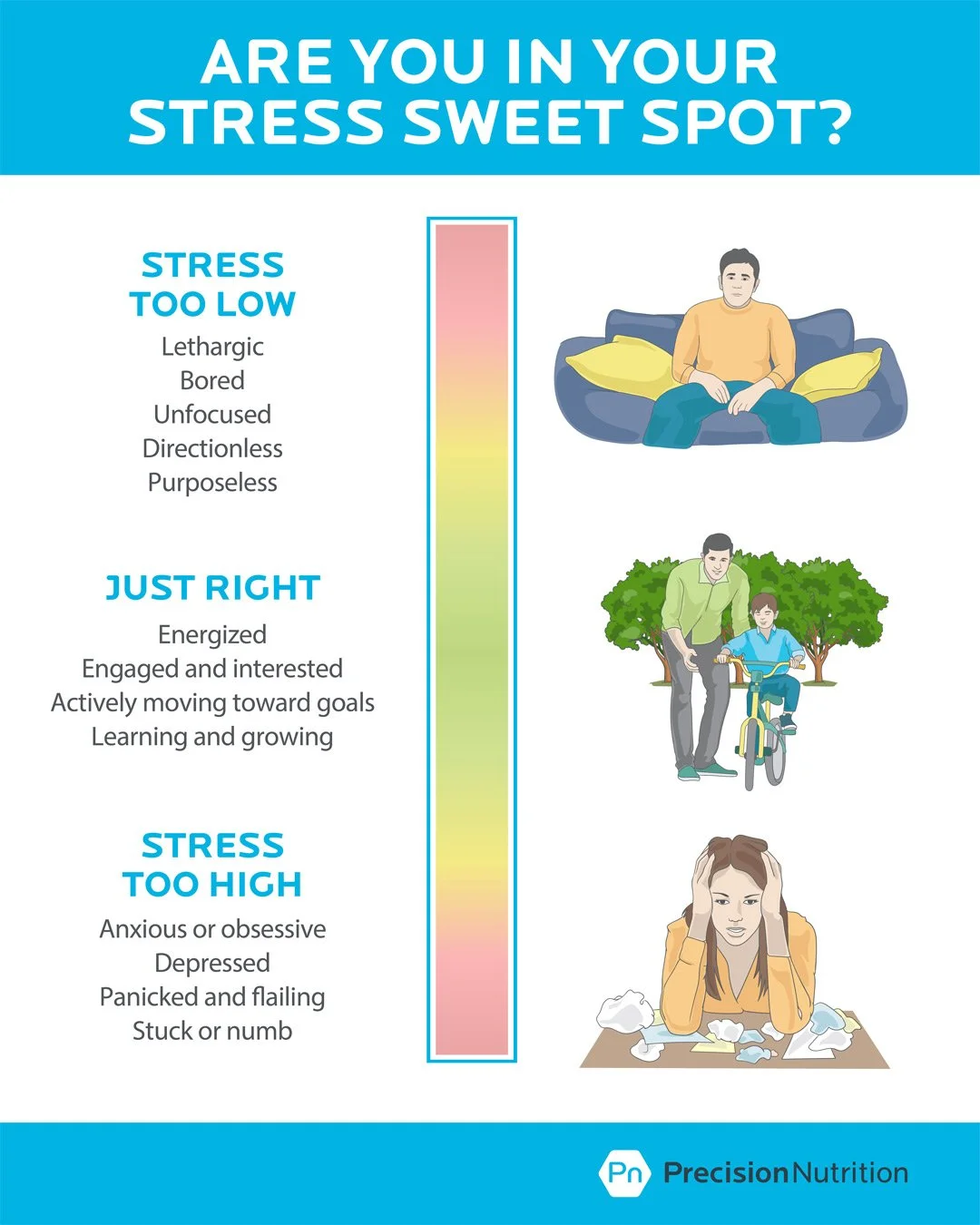
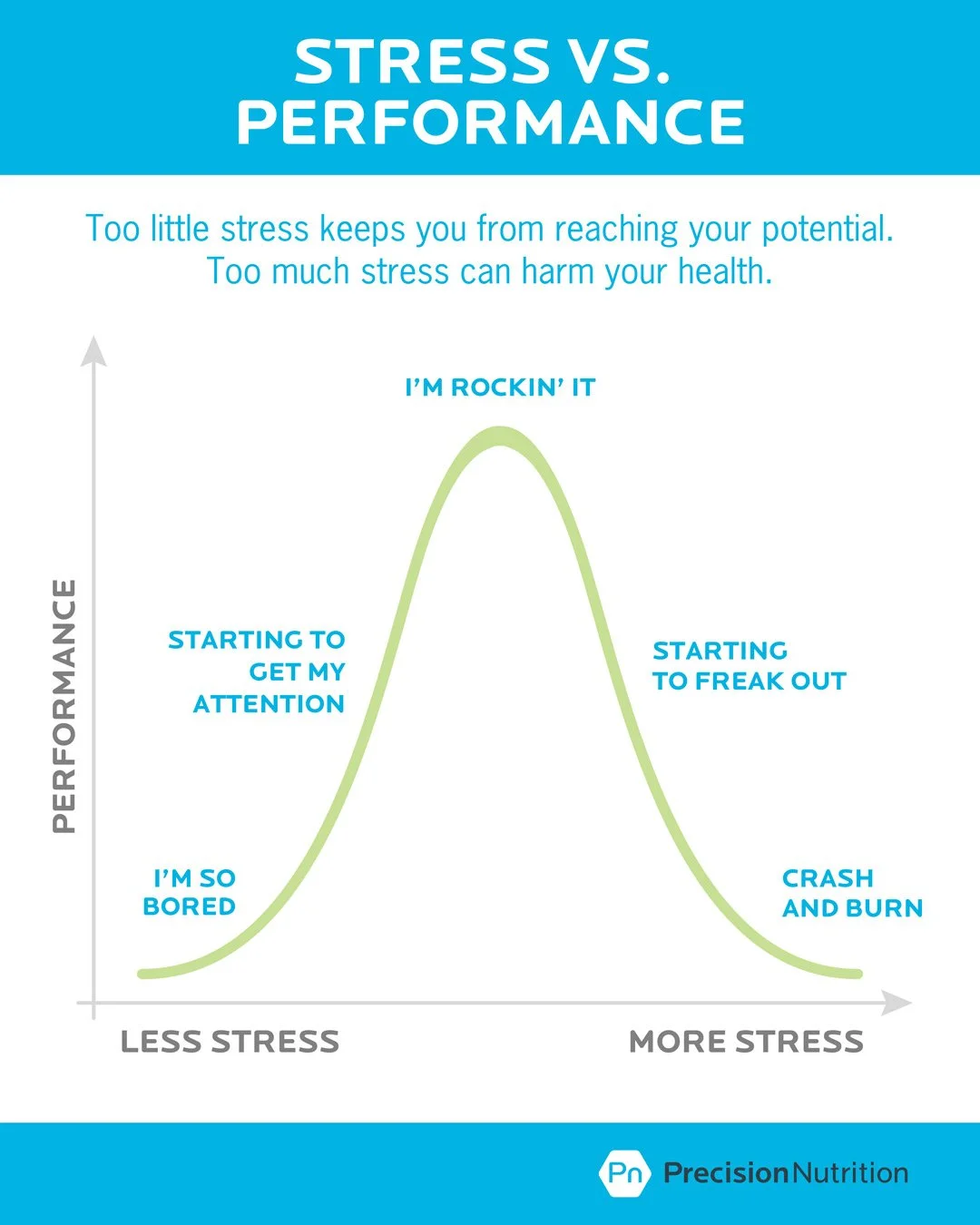
As I’m just starting this journey, I’ll keep you well-informed on how my stress is shaking out and where it falls on these spectrums. But it’s vital to monitor it.
Third, we need to address something we all struggle with as we get older: recovery.
I crave efficiency. I can’t stand idle and I am extremely restless. This means if I’m going to train and work out, I will usually half-ass a warm-up and skip a cool-down or stretch altogether. This is a not-so-good habit and can lead to a serious injury, especially when incorporating the pounding of the pavement that long-distance running requires. I know this, and yet even I struggle with making the time to stretch and activate my muscles before or after training.
But if I’m going to prevent injury, it’s time to start taking it seriously. For me, my biggest concerns are my knees and my Achilles tendons. A strain or a tear in either of those areas will put me on the shelf for a long time. My plan this week is to take 15 minutes every day to focus on these specific areas. As I figure out my routine, I will update it here.
The other part of recovery is going to tie into our fourth pillar, and the one I take most pride in: nutrition.
In order to figure out how I was going to fuel this regimen, I needed to figure out where I was currently at and where I wanted to go. The first step was to input my metrics (age, height, weight, training frequency, etc.) into my calculator that I use through Precision Nutrition. It helps create a guideline for goal-based programs to give you an idea of how to get going. Here’s what is recommended for me and my goals, nutrition-wise
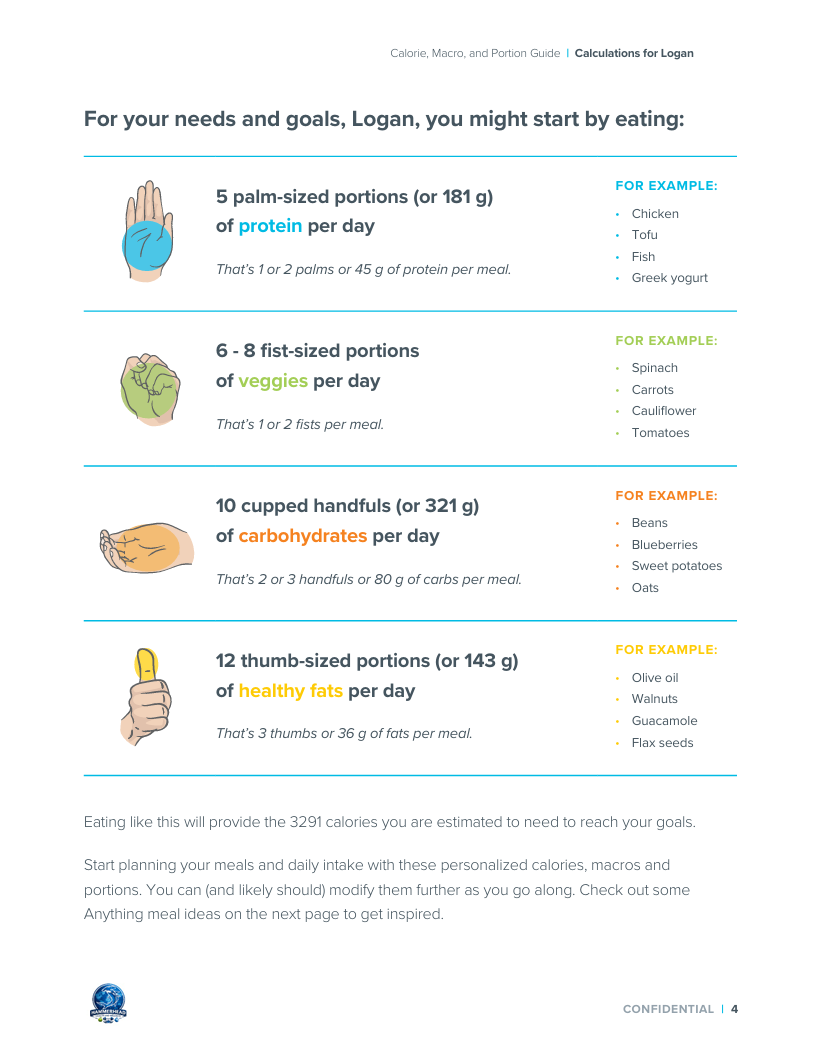
Now, without knowing where I currently stand, this doesn’t really mean anything. So, naturally, the next step was to analyze my daily calorie and macronutrient intake. I eat the same foods for breakfast, lunch, and snacks, so this is fairly straightforward, with dinner being the only variable. Here’s how it shook out:
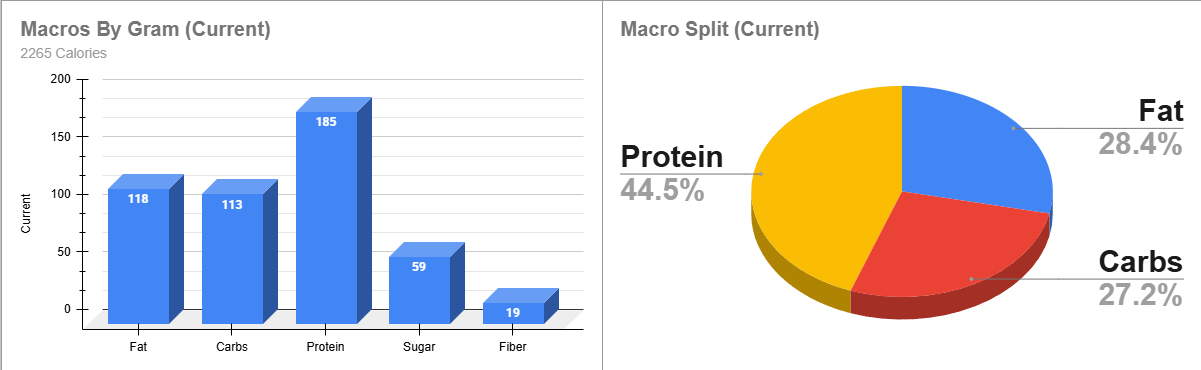
As you can tell, I’m spot on with my protein intake. This is great because it’s the most important macronutrient to get right. But there are some shortfalls here, particularly in my fat intake and my carb intake, meaning my overall caloric intake is low. For me, fats are easy. They equate out to 9 calories per gram, so I can squeeze in a couple handfuls of almonds and peanuts a day to hit that fat goal. But the carbs are a different story. Take a look at the graphs side by side, focusing on the carb column:
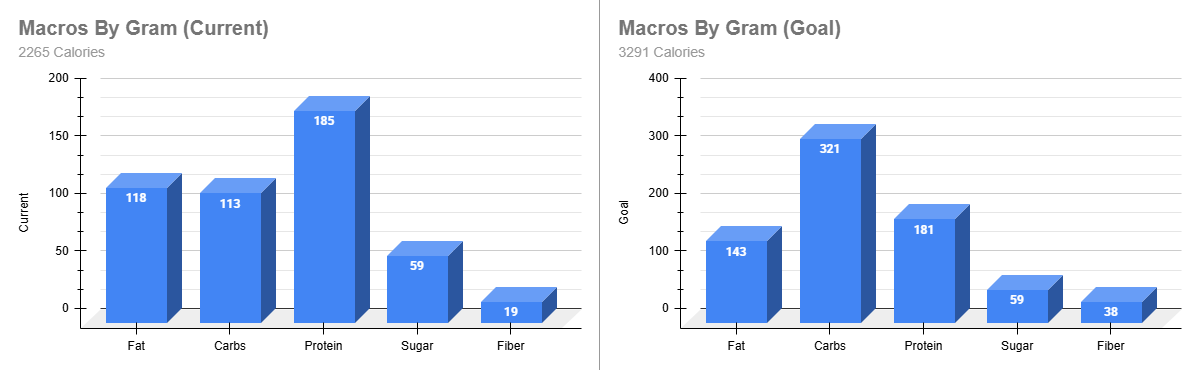
I’m short 208 grams of carbs?! How can I possibly make all that up? I feel full throughout the day so I’m not withholding calories or restricting myself. So how can I close this gap?
But here’s where mistakes are made. The reason why so many people yo-yo and start and stop and start and stop and so on is because they try to do too much all at once. This is a process. A gradual ramp up. A slow incorporation of the right foods at the right time.
So, here’s my analysis: I’m only going to run every other day, meaning this estimated caloric intake is probably overkill. Also, I’m higher than where I want to be with sugar intake (although the majority of it comes from fruit). This means I’ll need to find complex carbs that aren’t filled with sugar to hit my goal. I need to find foods that I like and I can eat consistently. For me, this includes foods like air-popped popcorn and brown rice. If I eat a serving of each per day, I can get an extra 218 calories, 44g of carbs, and 6g of fiber in my diet.
The next crucial step? A week from starting, stop, reflect, and assess where you are. Do I feel good? Do I feel like I have enough energy? Am I still hungry? Could I eat more? Will eating more improve my performance? If all signs point towards moving forward, then do it! If some things are working but others don’t feel right, then listen to yourself! Don’t let yourself off the hook or give yourself permission to binge or anything like that, but you can’t perform your best when you don’t feel your best.
Will this work for me? Do you feel like this speaks to a situation you find yourself in? I’d love to help you in any of these 4 pillars, you just have to make the first move.
Stay tuned…
Week 1 update:
It’s officially been a week since I made the change to my diet and started to implement running into my routine. I added roughly 58 grams of carbs into my diet through the addition of a serving of oatmeal and a serving of air-popped popcorn daily. I have adopted an every-other-day schedule for running. I’ve completed 4 runs this week.
Here are the positives:
My energy is great. I feel like as a whole unit, I have the drive and my body feels like it’s prepared for the additional work.
My times are consistently improving. Call it beginner’s gains if you want, but I feel like I still have more in the tank.
I’ve been sore but not hurt. That was my biggest concern coming into this. Could I run without injuring myself? So far, the answer is yes (knock on wood).
Here are the negatives:
I feel very full. I have prepped and scheduled meals taking up a significant amount of time in my day. I don’t feel like I should or could add any more real food to my diet.
Although my body as a whole feels generally good, my legs feel extremely tired. Usually by the final mile of my run my legs feel like two tree trunks that I can’t seem to propel forward with momentum.
I’ve fallen into a trap I find myself in often, even outside of the health and nutrition world. I find that the running sucks so bad that I want to run as fast as I can to get it over with. I know I have to run three-plus miles, so the way I figure is “hey, the quicker I do it, the quicker it’s over”. This might not sound like a bad thing, but it means I’ve already found a way to take the enjoyment of the journey out of it and brought my “task-oriented” brain to join the party. For some reason, although I haven’t run competitively since high school, I feel the need to run as fast as I did then (even after 12 years and no training).
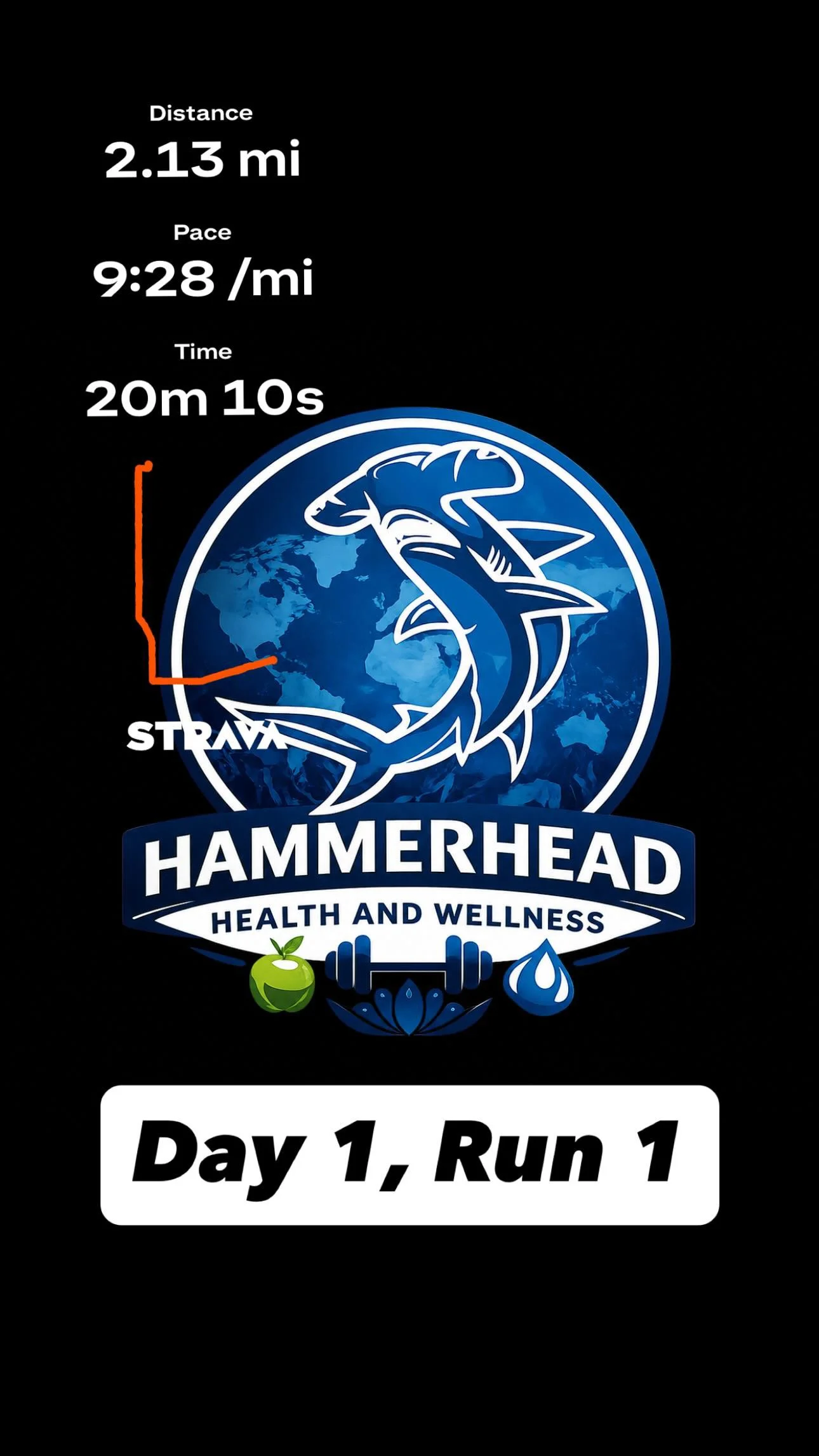
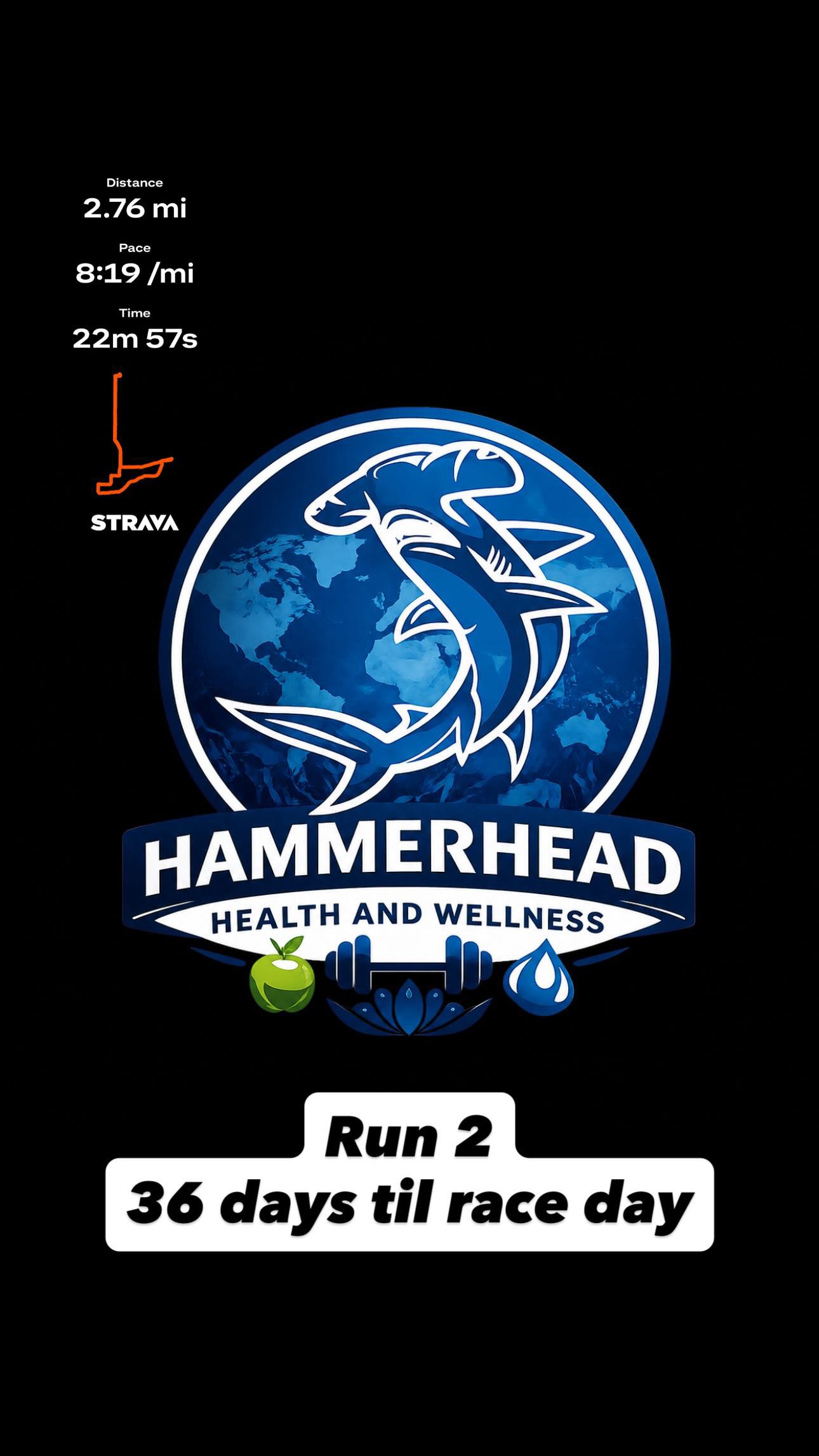
Here are the run times and distances for this week:
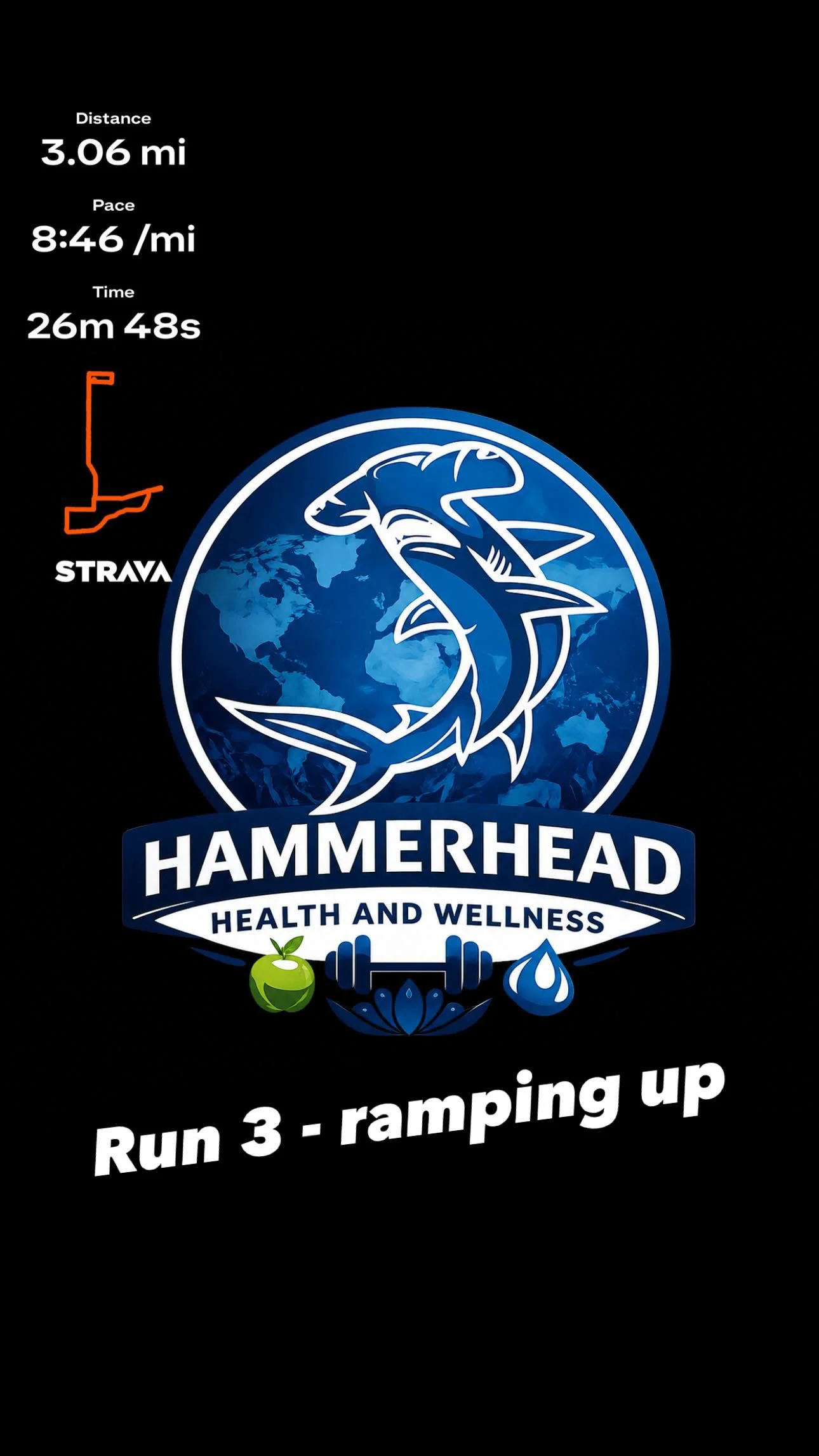
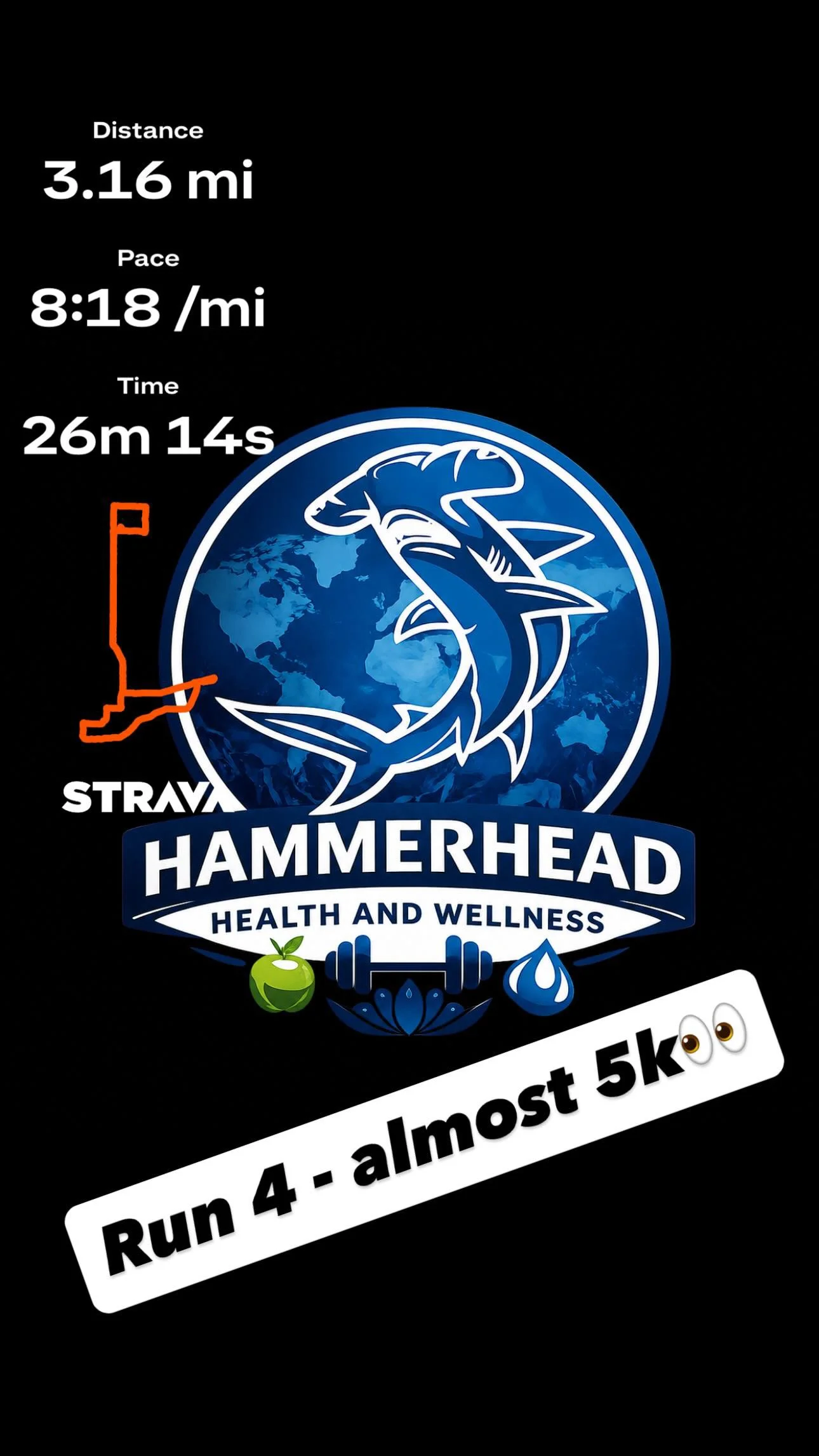
Week 3ish update:
At this point we are 27 days in and only 12 days until race day. I don’t like to make excuses (I’m about to make an excuse here), but the weather has been horrendously hot and humid. I’ve continued my calorie intake from the above “Week 1” update, but I haven’t been as consistent with my runs given the heat, humidity, and my schedule. Aside from coaching, I still work a full-time job and have two kids to take care of. We had the 4th of July holiday and my wife and I took a weekend vacation. But, alas, an update is necessary:
I’ve ran 4 times since the last update…:/ But here’s where we stand as of 7/13:
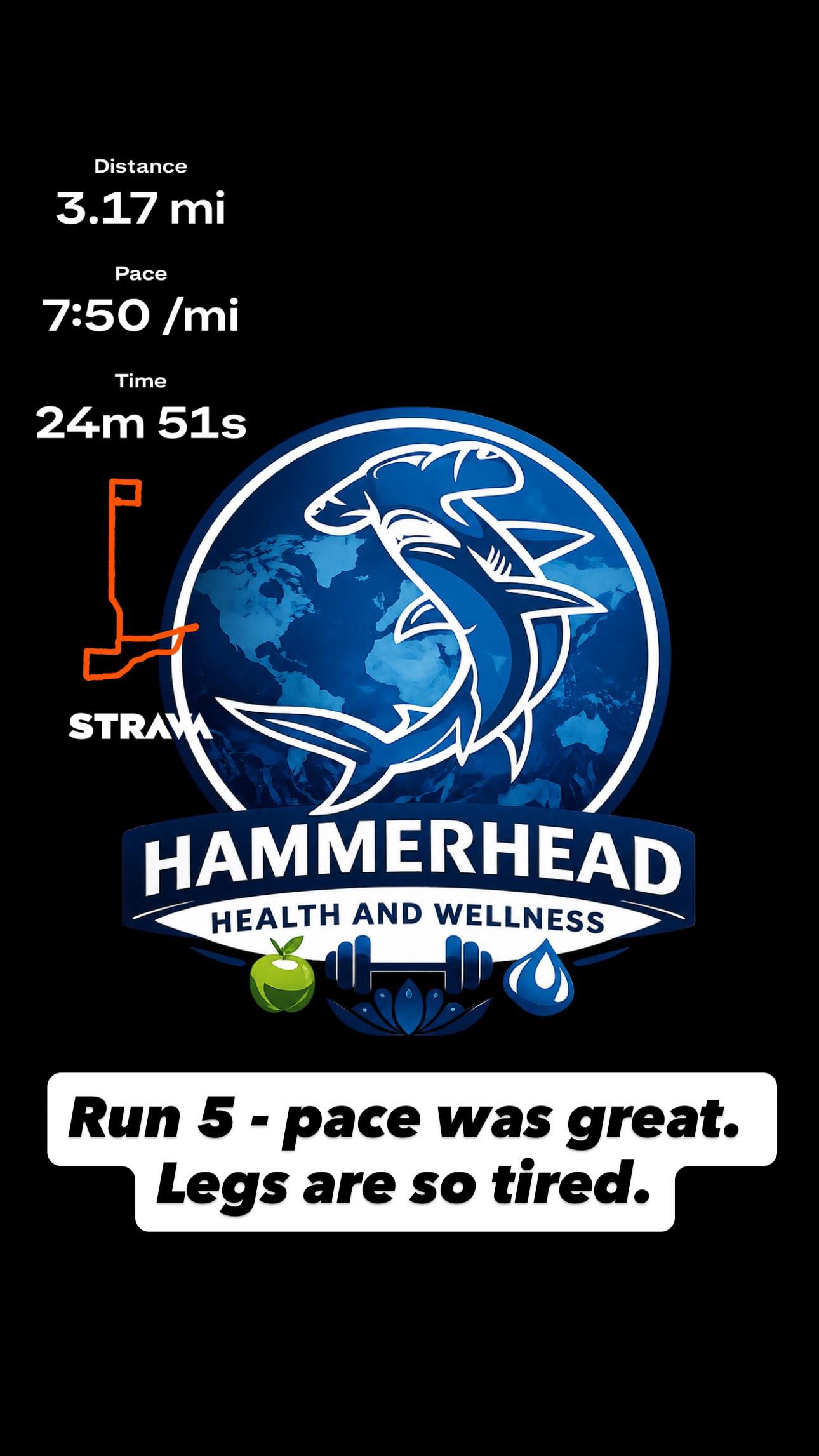
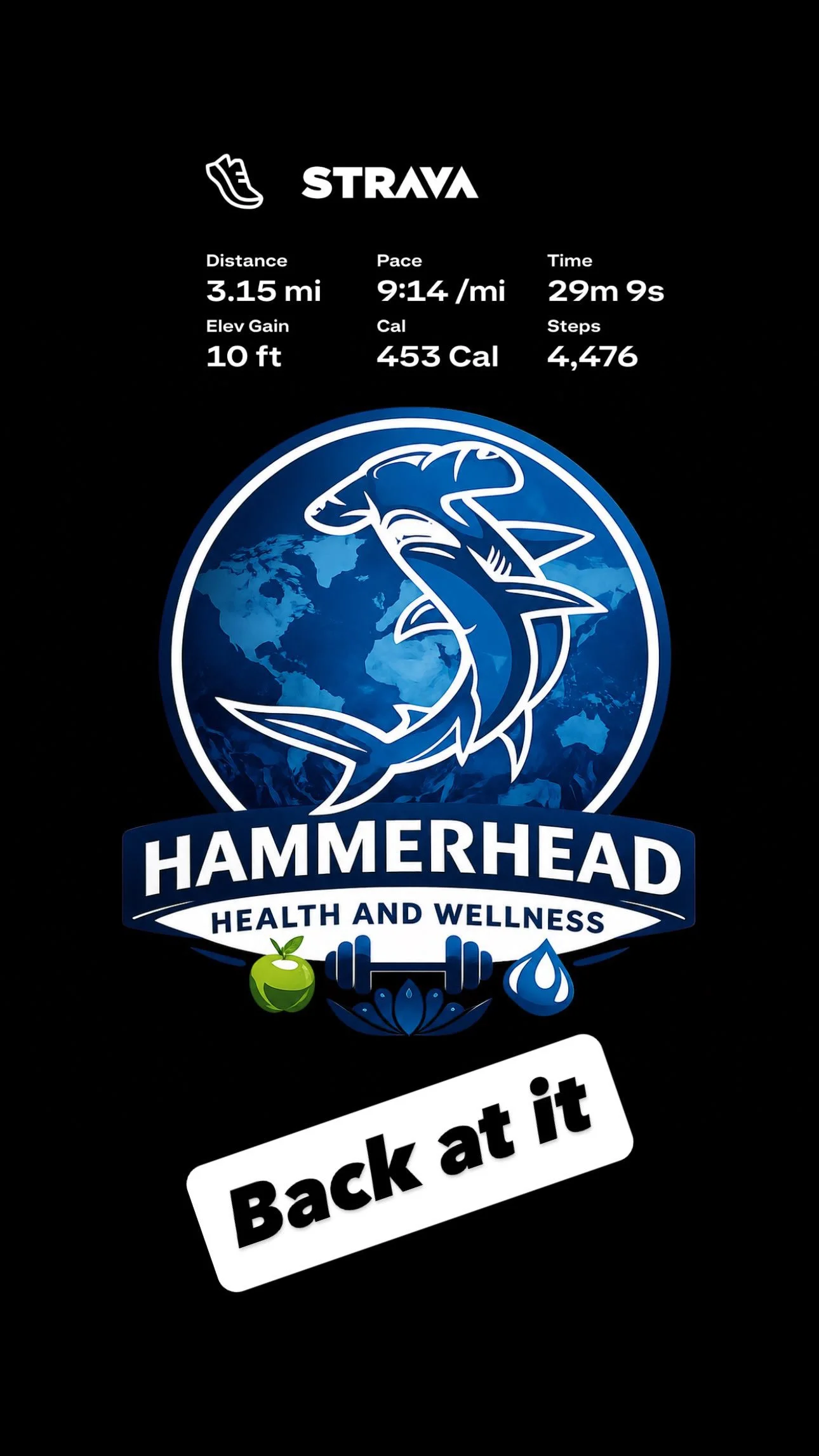
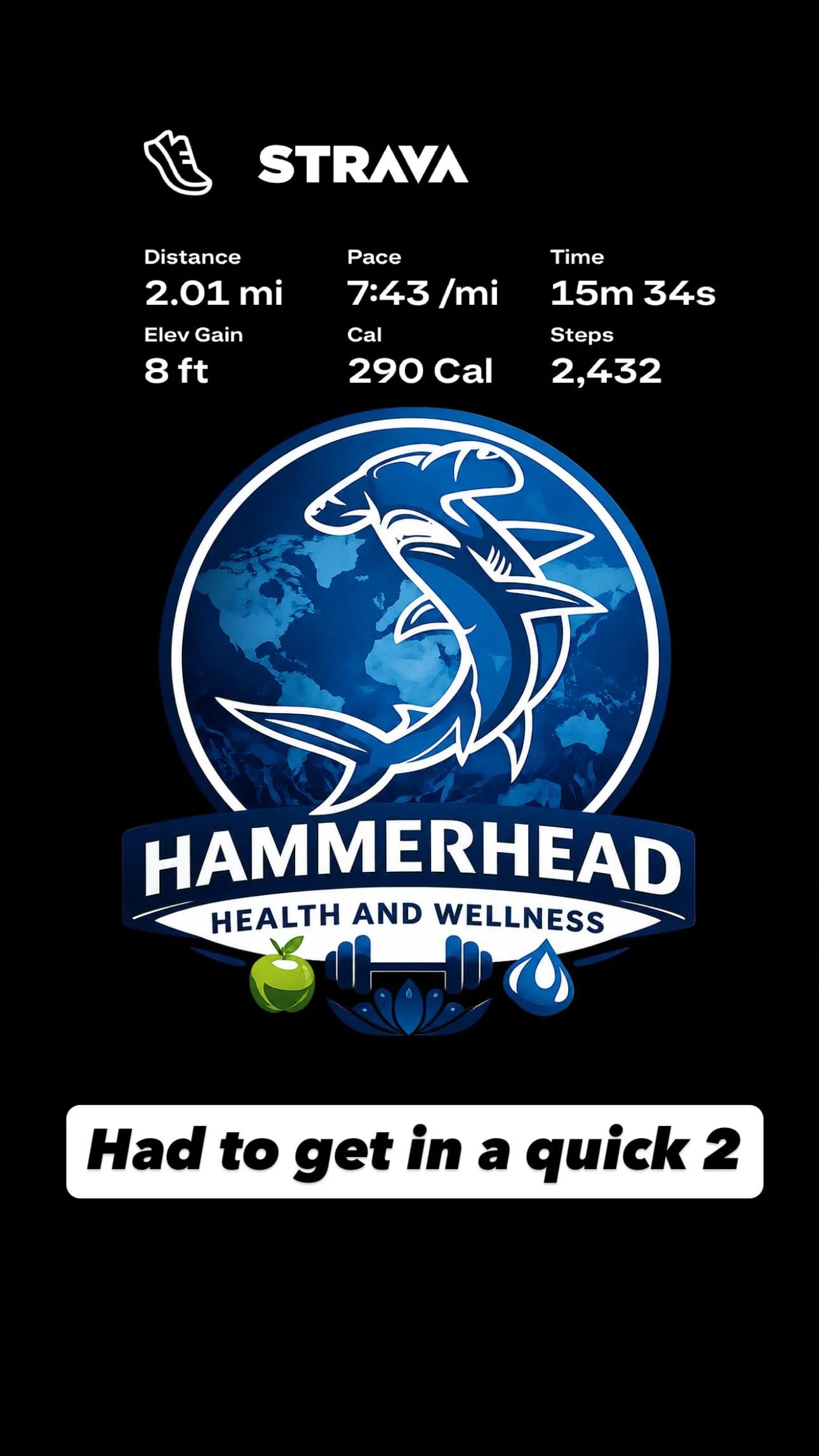
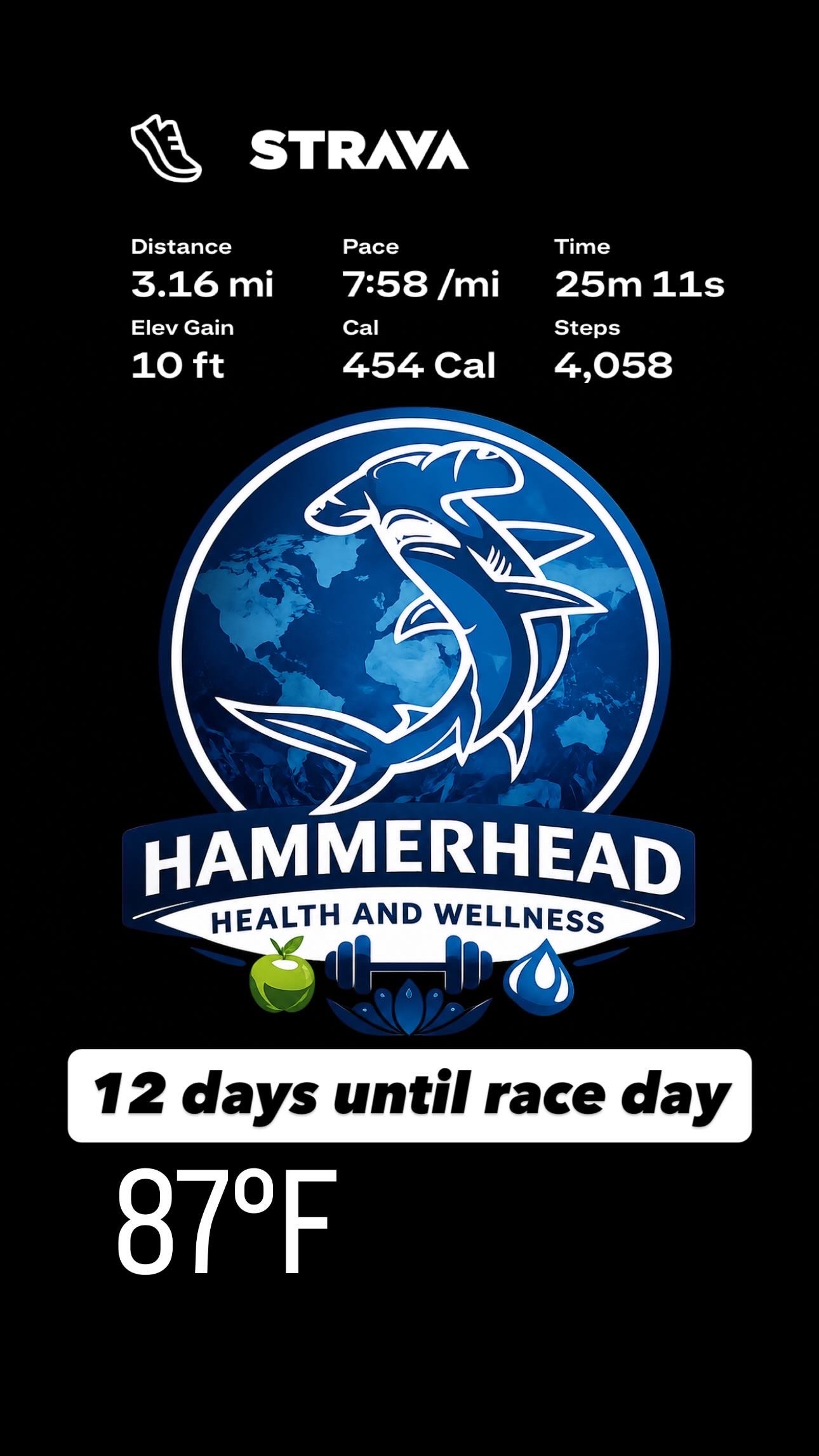
In all honesty, I feel good about where I’m at. Right now, I don’t foresee myself running a sub-24 minute 5k just due to the fact that my legs are being pushed quite a bit already and the first objective of this whole thing was to not get injured. The adrenaline of race day will probably push me to start out fast, but maybe that will carry me below 24 minutes. It’s really hard to believe I used to run 18-19 minute 5Ks. But then again, it was 12 years ago when I was 18 and I’m pretty sure I weighed 120 lbs. soaking wet.
Until next week…
-Logan